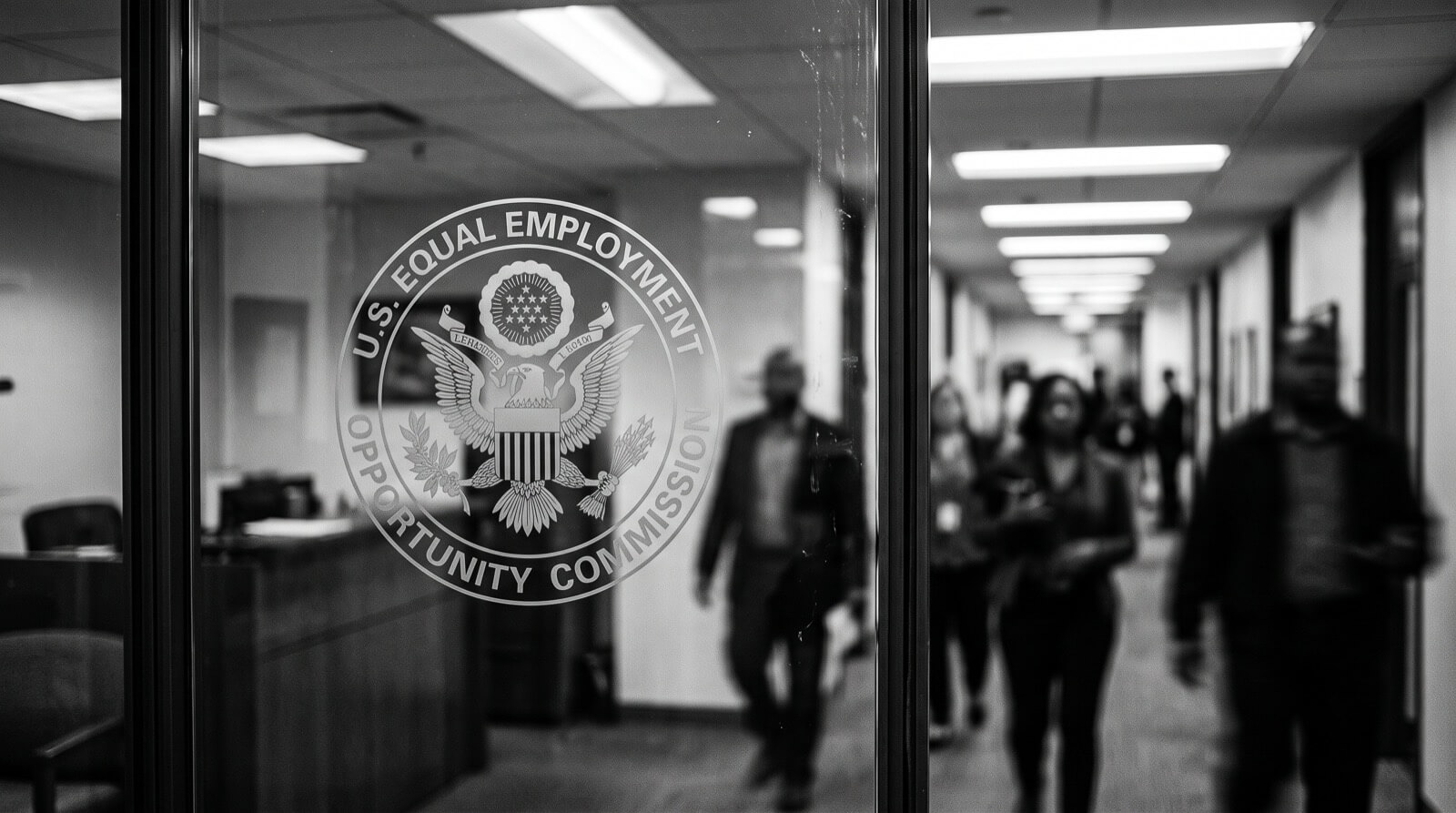
The EEOC: What Has Changed. What Hasn’t.
August 4, 2026
Dear everyone,
Over the past several weeks, we’ve spent a lot of time talking about the EEOC. For good reason.
There have been a series of announcements, proposals, and legal developments that have raised important questions about where the agency is headed and what those changes mean for employers.
Each development is significant on its own. Together, they tell a broader story.
While the EEOC may be changing its enforcement priorities and guidance, legal obligations have not changed.
The proposed Strategic Plan removes or reframes several longstanding priorities, including references to certain vulnerable worker populations and explicit recognition of LGBTQ+ protections under Title VII. It places greater emphasis on “even-handed enforcement” and introduces new performance measures that would tie the agency’s success more closely to monetary recoveries in systemic cases.
The Commission has also proposed eliminating the regulations that underpin the EEO-1 and related workforce demographic reports, representing one of the most significant proposed changes to EEO reporting in decades.
The agency’s own actions have also come under increased scrutiny. Its lawsuit against The New York Times has evolved into a broader constitutional challenge to the Commission’s enforcement authority. Separately, EEO Leaders, former EEOC officials, and other employment law experts have publicly questioned whether some of the agency’s proposed strategic changes could make it more difficult to pursue certain categories of discrimination cases.
The key is distinguishing between what has changed and what has not.
A Strategic Plan establishes where an agency intends to focus its resources. A proposed rule begins a regulatory process that may ultimately change reporting requirements. Litigation allows those issues to be tested in court. None of those, by themselves, rewrite the underlying civil rights laws that govern employers today.
Title VII, the ADA, the ADEA, the Pregnant Workers Fairness Act, and other federal employment laws remain in effect. Employers are still responsible for complying with them. The legal obligation to make fair, nondiscriminatory employment decisions has not changed.
For business leaders, the real challenge is separating changes in enforcement from changes in legal obligation.
Organizations that react only to today’s headlines risk making decisions based on politics rather than legal reality. The strongest organizations will stay focused on upholding employee protections by complying with the law, treating people fairly, and building inclusive organizations equipped to compete in a changing marketplace.
More to come,

SD
founder & CEO
BRIDGE