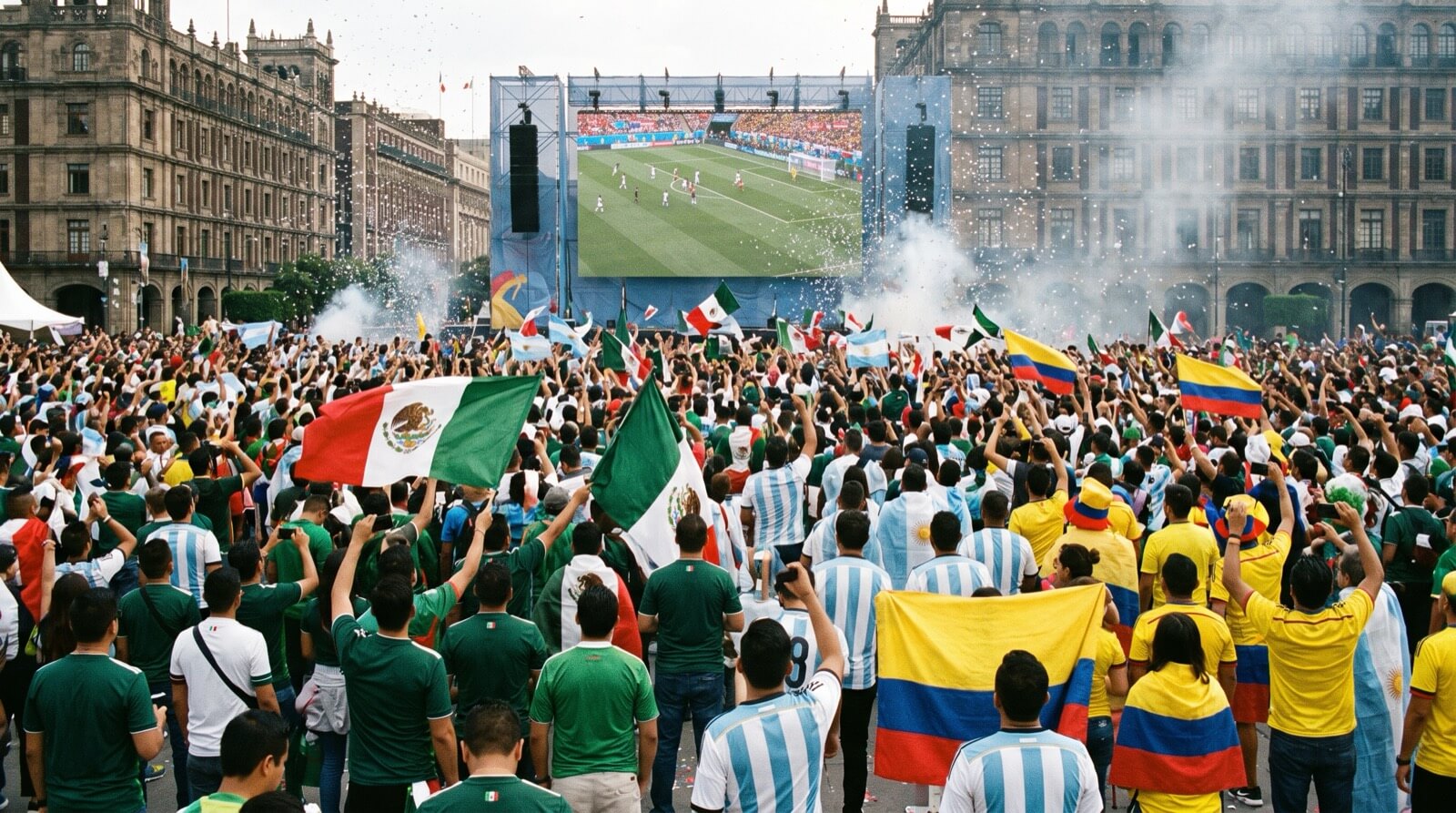
The World Cup May Be Over but Latino Soccer Fandom Is Not
September 1, 2026
Dear everyone,
The 2026 FIFA World Cup may have ended, but Latino soccer fandom most definitely has not. For years, Latino marketing has lived at the intersection of culture and data, and the World Cup brought the power of that intersection to life on one of the biggest stages imaginable. Hispanic audiences were at the center of the tournament, with an engagement that extended well beyond the matches themselves into music, food, family, travel and community. Soccer isn’t simply a sport for this consumer. It is an entry point into culture, community and identity.
Nowhere was that more evident than in the continued preference for Spanish-language soccer coverage, including among fans who aren’t Spanish speakers or don’t primarily consume media in Spanish. The energy of the call, the familiar rhythms of the commentary and the passion associated with Spanish-language coverage can become part of the experience itself. Language preference and cultural preference are not always the same thing, and soccer demonstrated just how powerful that distinction can be.
The brands that understood this larger opportunity didn’t simply advertise around soccer. They found ways to participate in the culture, connecting with Latino fans across the broader fan experience. At the same time, many marketers missed the opportunity, whether because the price of official FIFA rights felt prohibitive or because they assumed general-market, English-language marketing would be enough. What they didn’t understand was that brands didn’t need to own the game to earn a meaningful role in the culture surrounding it.
As we celebrate Hispanic Heritage Month, this is also an important moment to recognize that Latino influence isn’t only reshaping American culture, it is increasingly driving the American economy. The U.S. Latino economy reached $4.4 trillion in 2024, with Latinos driving 28.2% of total U.S. economic growth despite representing roughly one-fifth of the population. Reaching Latino consumers is no longer a niche or seasonal investment. It is a growth imperative.
And soccer offers one of the most powerful cultural entry points. The U.S. now has more than 62 million soccer fans, and Liga MX was the most-watched soccer league on U.S. television in 2025. Hispanic audiences continue to form the bedrock of U.S. soccer fandom, with multigenerational households, cultural traditions and an enthusiasm that travels across teams, leagues, languages and screens.
For brands, that means moving from a World Cup strategy to a year-round Latino soccer strategy, one that recognizes the growing cultural and economic influence of this consumer.
The World Cup may be over, but the intersection of soccer and Latino influence in America is only getting stronger. The brands that understand it won’t have to chase the next cultural moment. They will already be part of it.
¡Enhorabuena, España! ¡Campeones del mundo!
More to come,
Sheryl Daija
Founder & CEO
BRIDGE
Jessica Ricaurte
Chief Revenue Officer
Adsmovil